VOLTIXC / ENQUIRY
Request a Quote
Tell us what you need and we will review your enquiry.

SV vinyl and SNY nylon fork terminals for screw and stud connections, from 22-16 AWG to 12-10 AWG and #4 to 5/16 in studs.
Fast answer: Spade terminals, also called fork terminals, have an open fork that slides under a loosened screw, so the wire can be removed without taking the screw out. VoltixC groups SV vinyl-insulated and SNY nylon-insulated spade terminals here. Pick the wire band, stud size and insulation, then request a quotation.
The supplier specification sheets list 97 part numbers. SV comes in four wire bands from 22-16 AWG to 12-10 AWG (0.5-6 mm²), including a 14-12 AWG band, and SNY comes in three: 22-16, 16-14 and 12-10 AWG. Each band is offered for several stud sizes between #4 and 5/16 in. This page sits under the crimp connectors section of the VoltixC range.
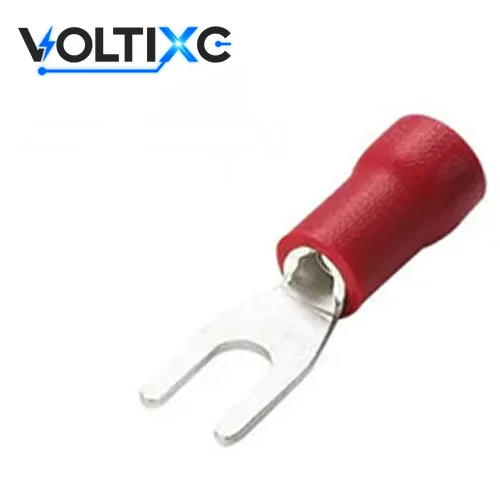
A spade terminal is a crimp terminal with a two-pronged fork at one end and a wire barrel at the other. You crimp the barrel onto the conductor. The fork then goes under a screw head or nut, which clamps it to the equipment. According to ABB (Thomas & Betts Sta-Kon catalogue), fork terminals can be installed without completely removing the mounting screw. Use a fork rather than a closed ring on any screw point you open during service.
Fitting one takes four steps:
Strip the wire to the barrel length. The strands should be clean and straight.
Use the die that the tool maker names for insulated terminals in that wire band, and crimp the barrel.
With the equipment screw backed off a few turns, slide the fork under the head until it seats against the shank.
Tighten to the equipment maker’s value and tug the wire; it should not move.
There are two crimp zones. According to TE Connectivity, the wire barrel provides the electrical and mechanical connection, while the insulation barrel provides strain relief and requires a more relaxed crimp without providing an electrical connection. A joint can look done and still fail if you get one of three sizes wrong:
None of these is about the metal. It’s the size, so the model tables below start with the wire band.
Two series make up this page: SV spade terminals with a vinyl (PVC) sleeve in four wire bands, and SNY spade terminals with a nylon sleeve in three. Their supplier specification sheets list 97 part numbers, 35 SV and 62 SNY. Each table below shows one row per wire band at the #8 stud, and the last column lists the other stud sizes in that band.
SV pairs the open fork with a vinyl sleeve, and it is the only series on this page with a 14-12 AWG band. Several stud sizes come in more than one fork width W; the extra letters after SV in the part number (S, SS, M, L or LL) separate them.
| Part No. | Wire gauge (AWG) | mm² | Stud size | Hole Ø d2 (mm) | W (mm) | L (mm) | Insulation color | Other stud sizes listed (d2 mm) |
|---|---|---|---|---|---|---|---|---|
| SVS1.25-4 | 22-16 | 0.5-1.5 | #8 | 4.3 | 6.4 | 21 | Red | #4 (3.2), #6 (3.7), #10 (5.3), 1/4 (6.4) |
| SVS2-4 | 16-14 | 1.5-2.5 | #8 | 4.3 | 6.4 | 21 | Blue | #4 (3.2), #6 (3.7), #10 (5.3), 1/4 (6.4) |
| SV3.5-4 | 14-12 | 2.5-4 | #8 | 4.3 | 8 | 25.3 | Black | #6 (3.7), #10 (5.3), 1/4 (6.4) |
| SVS5-4 | 12-10 | 4-6 | #8 | 4.3 | 8.3 | 25.5 | Yellow | #6 (3.7), #10 (5.3), 1/4 (6.4), 5/16 (8.4) |
Source: per supplier specification sheet (SV); 35 part numbers in the full specification table — request the complete list with your quote.
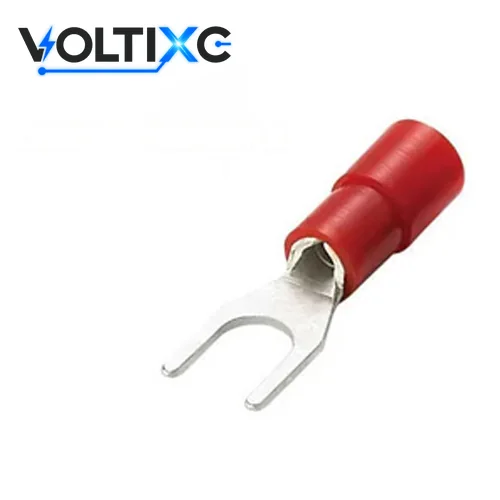
SNY keeps the same fork form with a nylon sleeve. Each row pairs a butted-seam part with its brazed-seam twin, and the supplier lists no 14-12 AWG band in this series.
| Part No. (butted / brazed seam) | Wire gauge (AWG) | mm² | Stud size | Hole Ø d2 (mm) | W (mm) | L (mm) | Die color | Other stud sizes listed (d2 mm) |
|---|---|---|---|---|---|---|---|---|
| SNYS1-4 / SNYBS1-4 | 22-16 | 0.5-1.5 | #8 | 4.3 | 6.4 | 22 | Red | #4 (3.2), #6 (3.7), #10 (5.3), 1/4 (6.4) |
| SNYS2-4 / SNYBS2-4 | 16-14 | 1.5-2.5 | #8 | 4.3 | 6.4 | 22 | Blue | #4 (3.2), #6 (3.7), #10 (5.3), 1/4 (6.4) |
| SNYS5-4 / SNYBS5-4 | 12-10 | 4-6 | #8 | 4.3 | 8.3 | 25.5 | Yellow | #6 (3.7), #10 (5.3), 1/4 (6.4), 5/16 (8.4) |
Source: per supplier specification sheet (SNY); 62 part numbers (31 butted / brazed pairs) in the full specification table — request the complete list with your quote.
Some makers build a version for thick jackets. As one example, according to ABB, fork terminals with an ‘X’ suffix have a wider wire entry to accommodate heavy-wall insulation. Neither SV nor SNY lists such a version, so if your wire has a heavy jacket, give its outside diameter on the enquiry and the entry size is confirmed per order.
Start by confirming you need a fork and not a push-on receptacle; then match the wire band, fit the fork to the screw or stud, and pick a vinyl or nylon sleeve. If the mating part on your equipment is a flat tab rather than a screw, you need a female receptacle, and those are on the quick disconnect terminals page.
The table reads from your wire size to the listed SV and SNY rows. Bands meet at 16 AWG, 14 AWG and 12 AWG, so at those sizes you can choose between two SV barrels.
| Your wire | SV (vinyl) listed | SNY (nylon) listed | Check before you order |
|---|---|---|---|
| 22 to 18 AWG | 22-16 band, 11 part numbers | 22-16 band, 22 part numbers | Thin jackets vary; give the outside diameter |
| 16 AWG | 22-16 or 16-14 band (11 part numbers each) | 22-16 or 16-14 band (22 part numbers each) | Sits at the edge of both bands; pick by strand count and jacket |
| 14 AWG | 16-14 band, or 14-12 band (4 part numbers) | 16-14 band | No 14-12 nylon band is listed |
| 12 AWG | 14-12 or 12-10 band | 12-10 band | Confirm the fork width W against the screw |
| 10 AWG | 12-10 band, 9 part numbers up to a 5/16 in stud | 12-10 band, 18 part numbers up to a 5/16 in stud | Largest listed band on this page |
Forks for 8 AWG and heavier wire are not in the current range.
A wire band alone misses three errors, so check these as well:
Match the stud size. According to West Marine, ring and captive-spade terminal connectors should be the same nominal size as the stud under ABYC E-11. Give the screw or stud size (for example #8, #10 or M5) with each line; the sheets list imperial studs from #4 to 5/16 in, with the hole d2 in mm.
Check the jacket diameter. According to TE Connectivity, insulation outside diameters vary among wires with the same AWG size, so the insulation barrel must accommodate the wire’s outside diameter and the crimp range must match it. Measure the jacket, or send the wire maker’s part number.
Use sleeve color as a band cue. According to ABB’s Spec-Kon vinyl-insulated ring table, red denotes 0.5–1.5 mm², blue denotes 1.5–2.5 mm², and yellow denotes 4.0–6.0 mm² conductors. SV sleeves follow that code, with black for the 14-12 AWG band, and SNY rows give the die color instead, so still order by the AWG band in the table.
Enquiry lists name the same fork in many ways. The table matches common wording to the rows above.
| Name on your list | What it matches on this page |
|---|---|
| spade terminals, fork terminals, spade lugs, lug spade, fork terminal connector | Any SV or SNY row: an open fork that fits under a screw or stud |
| spade connectors, connector spade, spade electrical connector, electrical spade connectors, spade connectors electrical, electrical connector spades, electrical terminals spade connectors | The same SV and SNY forks; pick the row by wire gauge band and stud size |
| spade crimp connector, crimp on spade connectors, spade wire terminals, wire connectors spade | Crimp-on SV or SNY forks for stripped wire from 22-16 to 12-10 AWG |
| spade to spade connector, double spade connector, double spade electrical connector | No double-fork part is listed; crimp one fork at each end of a short wire, sized to each screw |
| spade male connector | A flat male tab, not a fork: see male quick disconnect tabs |
| 90 degree spade connector | Only flat forks are listed; an angled fork is not on the current list, so ask before you specify |
| 4 gauge spade terminal | Not on the current list: the largest band is 12-10 AWG (4-6 mm²); ask before you specify |
| 20mm spade terminal | No part is listed by a 20 mm size: W runs 5.7-14 mm and L 21-31.5 mm, so give the dimension you mean |
| automotive harness terminals | OEM automotive wire harness terminal systems are outside this range; ask before you specify |
| crimp terminals in other shapes | Ring, butt, bullet and ferrule parts sit in the insulated terminals range |
Vinyl-insulated spade terminals (SV) and nylon-insulated spade terminals (SNY) share the same open fork and stud sizes; the supplier sheets differ in sleeve material, in the 14-12 AWG band that only SV lists, and in the seam and die details that only SNY gives. Neither series lists a sleeve length or wall thickness, and those are confirmed per order; no temperature or voltage rating is stated in the supplier data either, so ask before you specify one.
| Point | SV, vinyl sleeve | SNY, nylon sleeve |
|---|---|---|
| Sleeve material in the supplier rows | Vinyl (PVC) | Nylon |
| Wire gauge bands listed | 22-16, 16-14, 14-12, 12-10 AWG | 22-16, 16-14, 12-10 AWG |
| Part numbers listed | 35 | 62 (31 butted / brazed pairs) |
| Color printed in the rows | Sleeve color: red, blue, black, yellow | Die color: red, blue, yellow |
| Barrel seam | Not stated | Butted seam (SNY…) and brazed seam (SNYB…) |
| Sleeve coverage | Over the barrel; fork left bare, not fully insulated | Over the barrel; fork left bare, not fully insulated |
| Temperature and voltage rating | Not stated in the supplier data; ask before you specify | Not stated in the supplier data; ask before you specify |
Source: per supplier specification sheet; not individually re-tested.
Sleeve design differs between makers. As one example, according to ABB, its vinyl-insulated fork terminals use an extra-long PVC insulation sleeve for protection and stress relief at the wire flex point. The SV rows give no sleeve length, so treat that as a question for the quotation, not a listed SV feature.
This page makes no general claim that one sleeve material handles heat better than the other. If your drawing or approval names a sleeve rating, ask before you specify SV or SNY for it, because the supplier data states none.
EU shipments bring the RoHS phthalate limits into play. Under Directive (EU) 2015/863, the amended Annex II sets DEHP, BBP, DBP and DIBP each at 0.1% by weight in homogeneous materials. Ask for the RoHS document that matches the sleeve material you order, vinyl or nylon.
SV and SNY spade terminals have a copper body with tin plating on every row of the supplier specification sheets. The sleeve over the barrel is PVC (vinyl) on SV and nylon on SNY.
A spade terminal has three working parts:
The fork tongue is the flat, slotted end that sits under the screw head; its width and slot size decide which screw it fits.
The wire barrel is the tube crimped onto the stripped conductor, and it carries the current into the tongue.
The sleeve is the vinyl or nylon cover over the barrel; its insulation grip supports the wire jacket.
Build details vary by maker. According to ABB, its fork terminals are high-conductivity electrolytic copper, electro-tin plated, with a serrated brazed-seam barrel for pull-out resistance. The SNY sheet lists each size twice, as a butted-seam part and a brazed-seam part; the SV sheet names no seam type, and neither sheet states an inner serration, so ask on the quotation if your drawing names one.
A pull test is the plain field check on a finished crimp. According to West Marine, ABYC pull-test ratings are 15 lb for 16 AWG connectors and 40 lb for 10 AWG terminals. Those figures come from marine wiring practice and are quoted here for reference. VoltixC does not publish pull values for SV or SNY sizes; a test you need on your parts is agreed with the order. The step-by-step method for strip length, die choice and inspection is in the guide on how to crimp wires.
Stay with spade terminals when a screw is backed off, not removed, during service. Switch to another page when the joint has to stay captive while the screw is loose, push onto a flat tab, pull apart in the middle of a wire run, or be sealed against moisture. Each alternative in the table has its own VoltixC page.
| Route | How it holds | Pick it when | Where to look |
|---|---|---|---|
| Spade terminal (SV, SNY) | Open fork under a loosened screw or nut | The screw point is opened for service, or the stud stands free | This page |
| Ring terminal | Closed eye around the stud | The screw is taken out to fit the part, and the eye must not slip off if it loosens | insulated ring terminals |
| Female receptacle | Pushes onto a flat male tab | The equipment has a tab, not a screw | female spade connectors |
| Bullet connector | Round male pin into a female sleeve | Two wires must plug apart in line | insulated bullet connectors |
| Heat-shrink crimp terminal | Heat-shrink sleeve shrunk over the jacket | The joint sits in a damp or splash area | heat-shrink crimp terminals |
Route notes follow the ranges listed on each VoltixC page; not a test result.
The ring route is the closest alternative. According to EEP, loop or eye connections at screw terminals are inexpensive and are used where the connection would be infrequently disconnected. A fork trades some of that hold for the chance to remove a lead without pulling the screw.
Fork shapes also go beyond the plain fork listed here. According to Burndy, its fork tongue terminal range includes PVC-insulated, nylon-insulated, uninsulated and heat-shrink insulated versions, plus locking, block and flanged fork shapes. SV and SNY are listed as plain forks only. Uninsulated forks are not in the current range.
Four signals point you to another page:
Spade terminals fit screw-clamp points that someone opens for service and studs that stand free; they are a poor fit where a lead must stay put on a loose screw or where the mating part is a tab. Each card is reasoned from the fork’s shape and a cited source rather than from a VoltixC customer job.
Conditions: the strip holds each screw captive, so the screw cannot be taken out.
Start with: SV or SNY in the wire band from the model tables.
Watch: according to ABB (Thomas & Betts Sta-Kon catalogue), fork terminals can be installed without completely removing the mounting screw, which is the property this job depends on.
Conditions: a threaded stud and nut with nothing close by, no wall and no second stud.
Start with: a fork matched to the stud’s nominal size.
Watch: according to 3M, fork terminals have wider tongues that make them suited to free-standing studs. Near a wall or a second stud, check that the tongue width leaves clearance.
Conditions: a technician swaps or retests the leads on its screw terminals.
Start with: the same sleeve material on every lead, so the ends look alike.
Watch: a fork lifts off with nothing more than a screwdriver, so label both ends.
Conditions: two screw terminals on one unit, joined by a short wire.
Start with: a fork at each end, each sized to its own screw.
Watch: list both screw sizes, since they may differ.
Conditions: the screw may back off under vibration or movement.
Use instead: a closed-eye part from the ring terminals page, which cannot slide out from under the head.
Conditions: there is no screw, only a male blade on the equipment.
Use instead: a female receptacle from the quick disconnect page listed in the route table above.
Conditions: 8 AWG or larger conductors. The listed SV and SNY bands end at 12-10 AWG, and heavier forks are not in the current range.
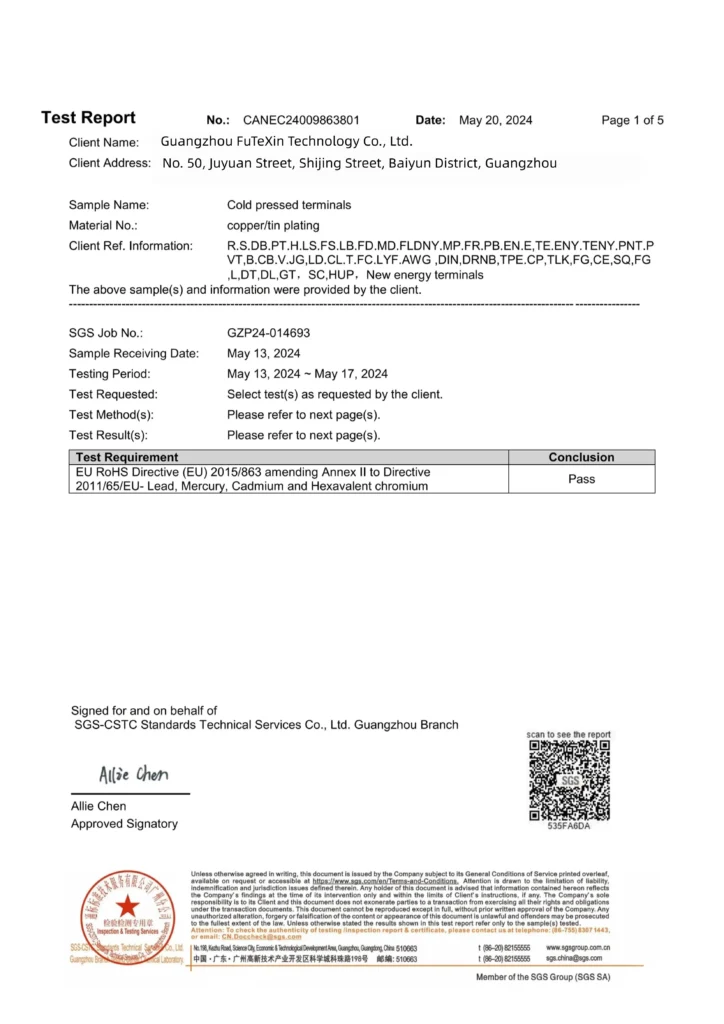
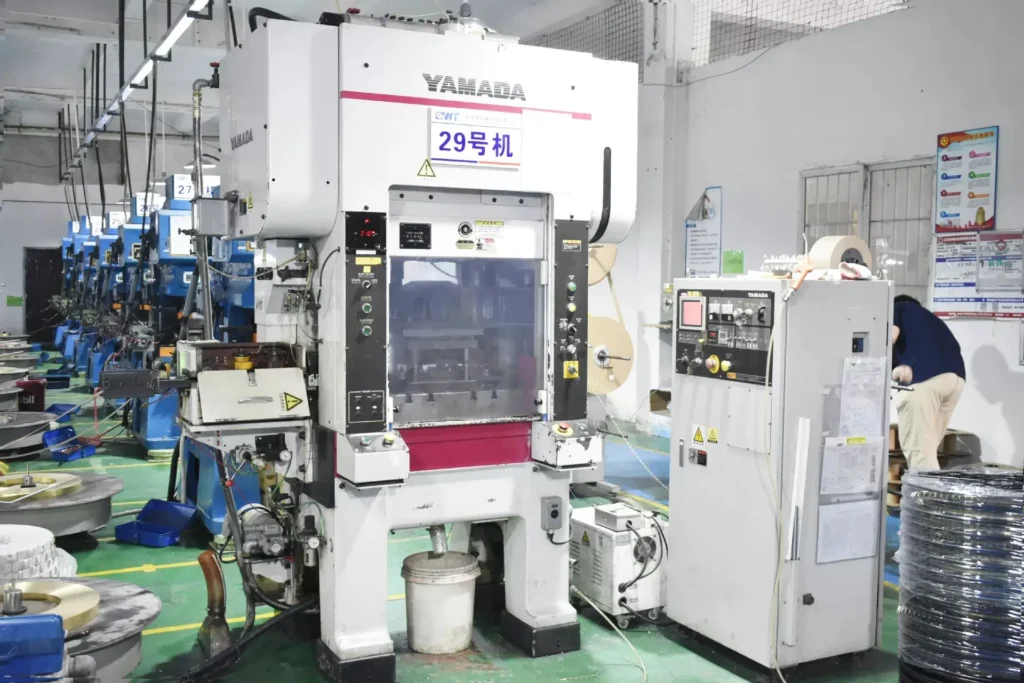
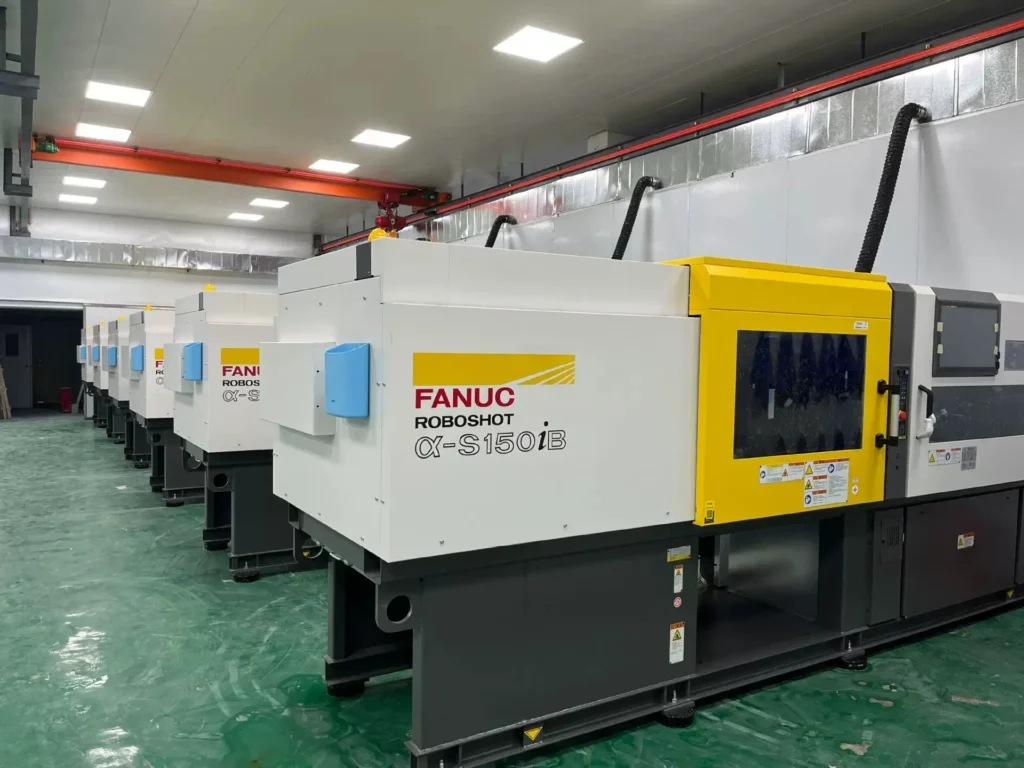
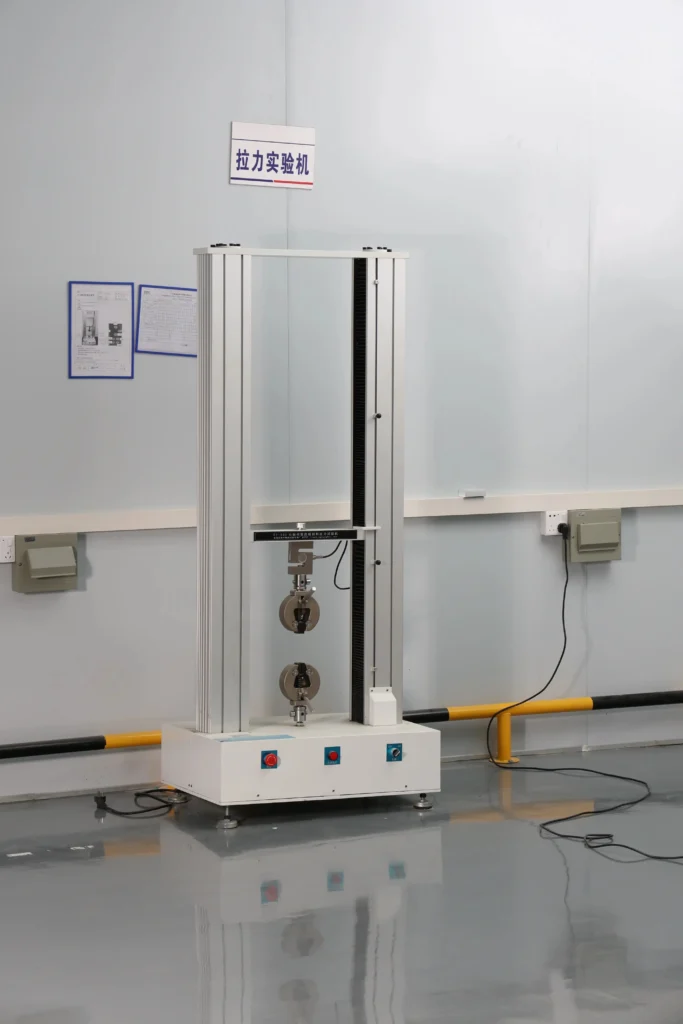
VoltixC is UL certified, and its CE attestation covers the full terminal range, SV and SNY spade terminals included. The CE document falls under the Low Voltage Directive 2014/35/EU and names EN 60947-7-1, EN 60947-7-2 and EN 60947-7-3. For RoHS, SGS tested tin-plated copper terminal samples for lead, mercury, cadmium and hexavalent chromium. All three documents are issued to Guangzhou FuTeXin Technology Co., Ltd., the company behind VoltixC. Numbers and dates are not printed here; a copy of each comes with your quotation on request, and photos of the forming, molding and test equipment in the Guangzhou plant follow below.
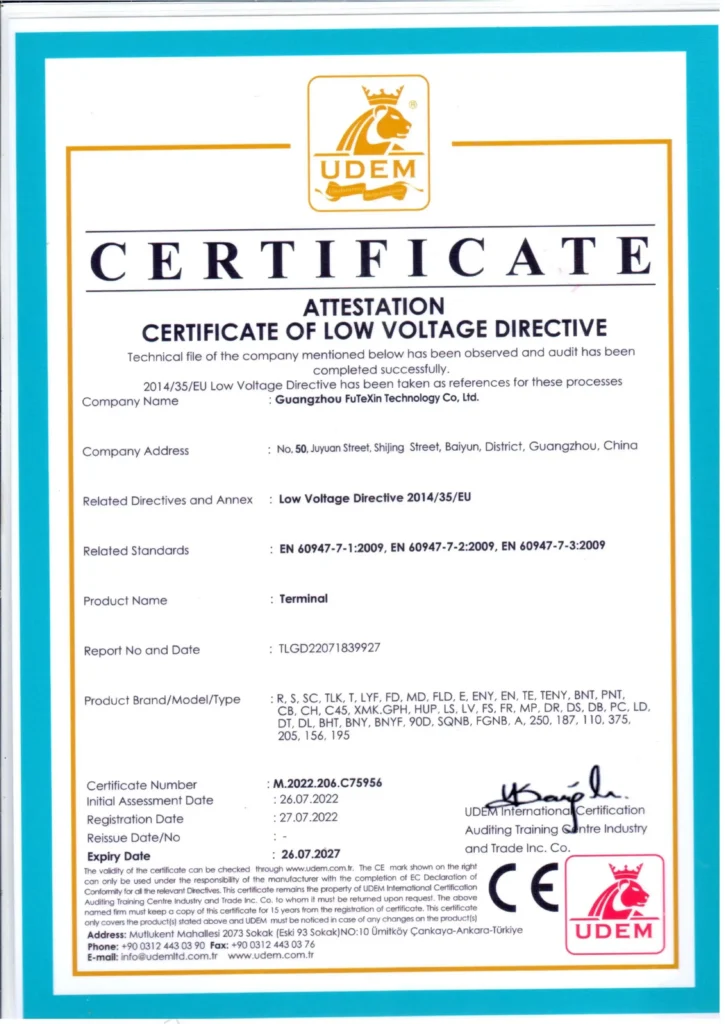
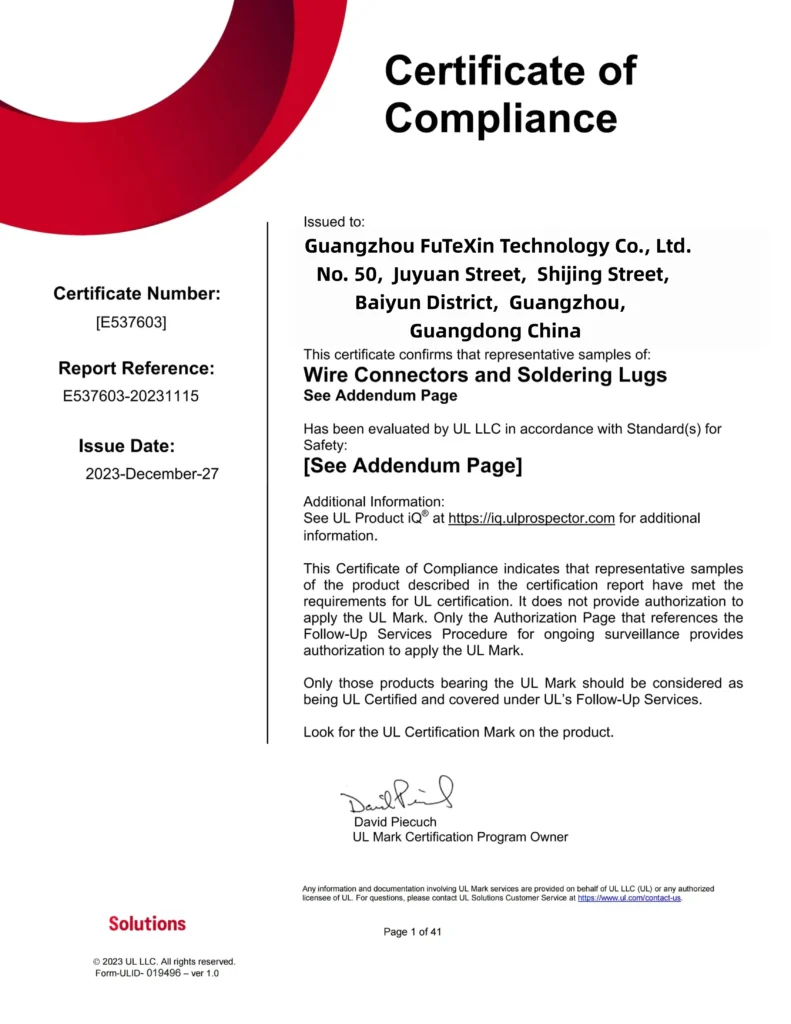
Standards give a way to check the scope of a document you are sent. According to UL Standards & Engagement, UL 486A-486B applies to single-polarity connectors used with copper, aluminum, or copper-clad aluminum conductors in installations governed by the Canadian Electrical Code, NFPA 70, or NOM-001-SEDE. The scope is quoted as a reading aid and is not a claim about SV or SNY parts.
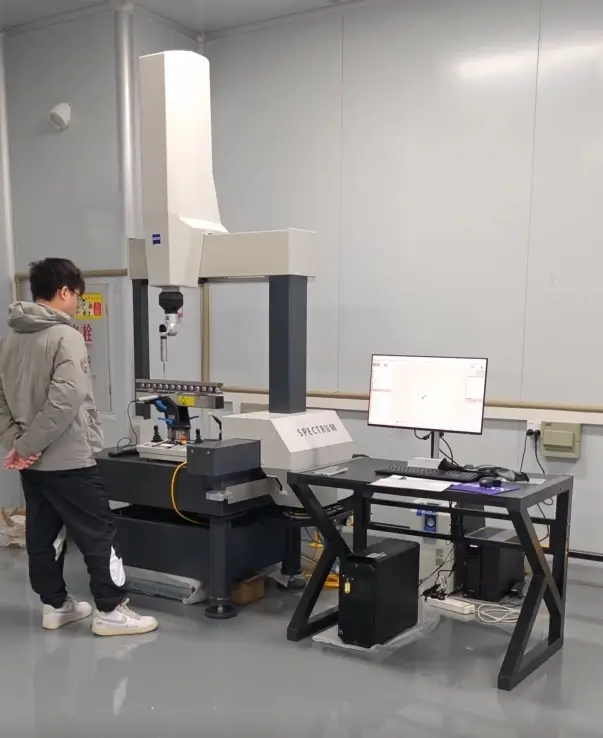
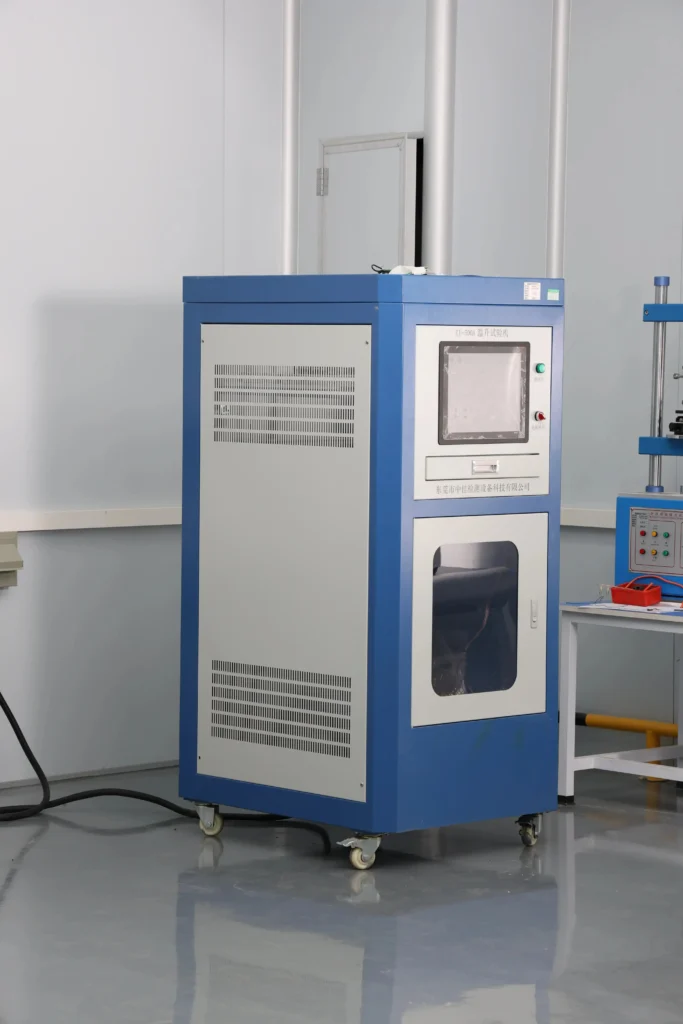
| What to ask for | What it settles for a spade terminal order |
|---|---|
| Copies of the CE and UL documents and the RoHS test report available (SGS) | Which document your market needs, and the company and products it names |
| A material and plating statement | That the copper body and tin plating on the sheet apply to your part numbers |
| A drawing with fork width and slot | Whether the fork suits your screw or stud before production |
| Samples of the listed sizes | Fit on your screw and your wire jacket before a full run |
VoltixC runs a 1,200 m² factory with 135 production machines in Baiyun District, Guangzhou.
The first question on any SV or SNY quotation is whether each line matches a listed size or needs a fork, slot or color of its own. A listed size is priced from parts already in production. Anything else needs tooling or an extra production step first, and then quantity, copper weight and sleeve material are counted.
| Driver | Effect on cost | What you control |
|---|---|---|
| Listed size or custom fork | A fork width or slot outside the listed parts may need new tooling | Pick a listed row, or send a drawing |
| Quantity per size | Setup is shared across the pieces in one run | Quantities split by size, not one total |
| Wire band | Heavier bands use more copper per piece | The AWG band per line, from the model tables |
| Sleeve material | Vinyl and nylon sleeves are separate builds | SV or SNY for each line |
| Sleeve color | A color outside the standard set may add a production step | The color per band, or “any” |
| Assortment or bulk | An assortment kit mixes sizes in small counts; these parts are quoted per part number in bulk | Quantity per part number |
| Packing and labeling | Bag counts, labels and carton marks change handling | Pieces per bag and label text |
| Documents | Extra paperwork adds preparation time | Which certificates or statements you need |
Lead time, MOQ, payment and warranty terms are confirmed per order by email or the enquiry form. Listed SV or SNY sizes can be sampled in 7 days at best, and the production schedule is agreed on the quotation.
You can use the same enquiry for custom work. If the quantity supports new tooling, a fork width, slot or sleeve color outside the listed parts can be built to your drawing; tooling terms are confirmed per order, and work starts after you approve the drawing.
Complete lines get a faster quote. A useful line reads like “SNYS2-5, 16-14 AWG, #10 stud, quantity” rather than “spade terminals, assorted”. Put lines of one series together, keep vinyl apart from nylon, and mark any size you want sampled first.
The enquiry form has fields for your name, company, email, country, product line, conductor size and quantity, plus a message. There is no upload field for drawings or a photo of the screw terminal; email them to hugo@voltixconnect.com after you submit the form. Quote the part number where you have it, or give the series, wire band and stud size.
Four reference pages cover fork and stud sizing, crimp steps and the names used for these parts.
Built for ring terminals, this lookup matches stud and wire size, and a fork needs the same stud check. Open the terminal stud size chart
Fork types and sizes, and how a spade compares with a bullet connector. Read about spade terminal types and sizes
Stripping, die choice and a pull test for an insulated crimp. Read how to crimp insulated terminals
Where forks sit among ring, butt, bullet and ferrule terminals. Read about crimp terminal types
When the screw does not have to come out. According to ABB (Thomas & Betts Sta-Kon catalogue), fork terminals can be installed without completely removing the mounting screw. A ring terminal needs the screw taken out, which a captive-screw strip does not allow. If the lead must stay on a screw that may loosen, the closed eye of a ring terminal is the better fit.
No. A spade terminal on this page is a fork that clamps under a screw. A female spade connector is a push-on receptacle that slides over a flat male tab, and those parts are on the quick disconnect terminals page. Check the mating part on your equipment: a screw or stud means a fork, a blade means a receptacle.
Pick SV for a vinyl (PVC) sleeve or SNY for a nylon sleeve; the fork form is the same. SV lists four bands, including 14-12 AWG, and SNY lists three. Neither series lists a temperature or voltage rating, so if your drawing names a sleeve rating, ask before you specify either one.
It is a fork whose barrel band includes 12 AWG. On this page that means the SV 14-12 size (SV3.5-4 in the table), the SV 12-10 size (SVS5-4) or SNYS5-4 at 12-10 AWG. Choose between the two SV sizes by the wire’s strand build and jacket diameter, and give the stud size so the fork width matches.
The SV and SNY supplier data list no current rating, so none is stated here. Size the wire for the load under the code that governs your installation, then choose the fork by that wire’s band: 22-16, 16-14, 14-12 or 12-10 AWG. If your approval calls for a rated terminal, ask before you specify SV or SNY, since the supplier data states no rating.
A spade terminal connects a wire to a screw clamp, a terminal strip or a threaded stud with a nut. According to 3M, fork terminals have wider tongues that make them suited to free-standing studs. The fork must match the screw or stud’s nominal size, so send that size with the wire band.
SVS2-4 and SNYS2-4 are the 16-14 AWG rows in the tables, SVS2-4 with a vinyl sleeve and SNYS2-4 with a nylon sleeve. A 16 AWG wire also sits in the 22-16 band of SVS1.25-4 and SNYS1-4, so check the jacket diameter before you choose between them.
Yes, a short wire with a fork crimped on each end links two screw terminals. Size each fork for its own screw and give the wire band once for both ends. If the two points must separate in line rather than at a screw, use bullet connectors instead.
Spade terminals differ by sleeve and by fork shape. According to Burndy, its fork tongue terminal range includes PVC-insulated, nylon-insulated, uninsulated and heat-shrink insulated versions, plus locking, block and flanged fork shapes. This page lists insulated spade connectors with a plain fork only: vinyl SV and nylon SNY. The guide on spade connector types walks through the shapes.
They are copied from the supplier specification sheets as listed and were not re-tested one by one. The sheets give the wire band in AWG and mm², stud size, dimensions and color for all 97 part numbers, and the tables show one row per band. No rating is stated there, so ask before you specify one.
Whether your drawing calls them spade connectors, spade wire connectors, spade terminal connectors or fork connectors, the same five details let a VoltixC engineer match the part: