VOLTIXC / ENQUIRY
Request a Quote
Tell us what you need and we will review your enquiry.

Copper tube lugs and terminals in five series (T, TL, CL-H, LYF, TLK) for crimped cable ends
Fast answer: Tinned copper lugs are cable lugs formed from copper tube, with a crimp barrel for the conductor and a flat palm that bolts to a stud; the supplier specification sheets list a tin-plated copper body for all five VoltixC series on this page. Pick one by conductor size (AWG, kcmil or mm²), stud hole and palm angle, then send the list for a quote.
The five series list 392 part numbers on their supplier specification sheets, from 16 AWG (T1.5) up to 1000/1250 kcmil (T630 and LYF630). T and LYF add 45° palms, TLK adds 90° palms, and TL and CL-H list no angled parts.
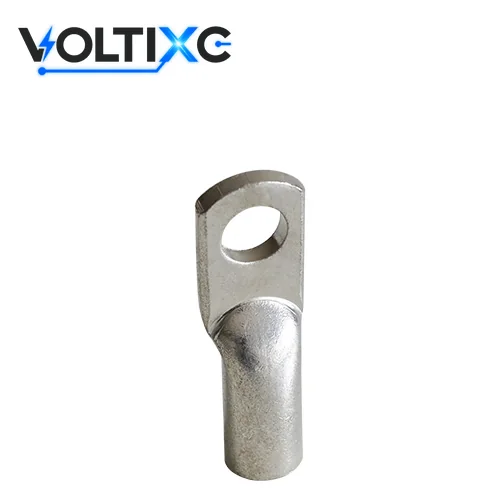
A tinned copper lug makes its joint by compression: a tool and die squeeze the copper tube barrel onto the stripped conductor, and the flat palm then bolts to the stud on your equipment. The barrel carries the current into the palm, so the fit between strands, barrel and die decides how good the joint is. Buyers also order these parts as copper wire lugs, and the joint works the same way on a heavy duty cable in a switchboard as on a single electrical wire in a control panel.
Tube lugs start as copper tube rather than stamped sheet. According to BSI, BS EN 13600 specifies the composition, electrical properties and dimensional tolerances of seamless drawn copper tubes for electrical purposes. According to Copper.org, C11000 is electrolytic tough pitch copper with a minimum copper content of 99.90 percent. The VoltixC supplier descriptions list the lug body as copper of 99% purity (T, TL, LYF) or above 99% (CL-H, TLK); the exact grade is written on the quotation.
Tin plating sits over the copper surface. According to Cembre, its A-M lugs use annealed electrolytic copper tube with electrolytic tin plating to make crimping easier and to raise resistance to mechanical stress. According to BURNDY, its copper connectors are made from seamless high-conductivity electrolytic copper tubing with a heavy-duty wall. The VoltixC specification sheets name tin plating for all five series but print no thickness, so the thickness for your order is written on the quotation.
The joint forms in four moves, and each one has a check:
Strip the cable to the barrel depth. According to TE Connectivity, insulation must be removed cleanly to the proper length without nicking or breaking strands.
Push the conductor fully into the barrel so the strands reach the closed end.
Crimp with a die matched to the lug and the conductor. According to TE Connectivity, a quality crimp needs correct tooling for the terminal and wire, the correct terminal, properly prepared wire and a trained operator.
Bolt the palm to a stud that matches its hole, with the palm flat on the bus or terminal face.
When one input is wrong, the joint carries the fault into service. A barrel too large for the strands leaves a loose cable crimp, a die too small for the barrel over-compresses it, and a palm hole wider than the stud leaves a small contact face. Send the cable class and stud size with your size list so each line can be matched to a part number.
The T and TLK tables below list one part number per conductor size from the VoltixC supplier specification sheets, which hold 392 part numbers across the five series. Each row gives the mm² value, stud hole, barrel bore and the maximum current printed for that size. Most sizes come in several stud-hole versions, and the suffix after the size code marks the version (T35-10 has a 10.5 mm hole). A purchase order might call any of them copper tube lugs, tube lugs or tubular terminal; the TL, CL-H and LYF series are summarized in the selection section below.
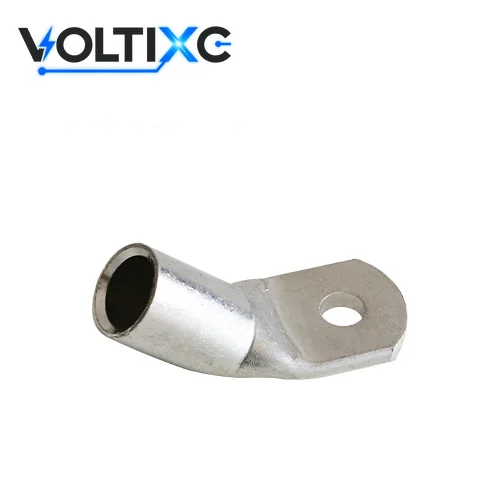
The T series runs from 16 AWG (T1.5) to 1000/1250 kcmil (T630) in 120 part numbers, and 20 of them have a 45° palm, marked -45D. It is the only series here that goes down to 16 and 14 AWG.
Common names: tinned copper wire lugs; tube lugs; “terminals tubular” in buyer searches.
| Part No. | AWG / kcmil* (gauge wire size) | mm² | Palm angle | Stud hole Ø (mm) | Barrel ID d (mm) | Barrel OD D (mm) | Max. current (A) |
|---|---|---|---|---|---|---|---|
| T1.5-6 | 16 | 0.5-1.5 | Straight | 6.4 | 2.4 | 4 | 18 |
| T2.5-6 | 14 | 1.5-2.5 | Straight | 6.4 | 2.7 | 4.3 | 30 |
| T4-6 | 12 | 2.5-4.0 | Straight | 6.4 | 3.1 | 4.8 | 35 |
| T6-6 | 12-10 | 4.0-6.0 | Straight | 6.4 | 3.8 | 5.5 | 50 |
| T10-8-45D | 8 | 10 | 45° | 8.3 | 4.7 | 6.9 | 70 |
| T16-8 | 6 | 16 | Straight | 8.3 | 5.6 | 7.8 | 95 |
| T25-8-45D | 4 | 25 | 45° | 8.3 | 7.1 | 9.5 | 125 |
| T35-10 | 2 | 35 | Straight | 10.5 | 8.2 | 11 | 170 |
| Part No. | AWG / kcmil* (gauge wire size) | mm² | Palm angle | Stud hole Ø (mm) | Barrel ID d (mm) | Barrel OD D (mm) | Max. current (A) |
|---|---|---|---|---|---|---|---|
| T50-10 | 1/0 | 50 | Straight | 10.5 | 9.5 | 12.5 | 230 |
| T70-10-45D | 2/0 | 70 | 45° | 10.5 | 11.5 | 15 | 265 |
| T95-12 | 3/0 | 95 | Straight | 13.2 | 13.5 | 17 | 310 |
| T120-14-45D | 4/0 | 120 | 45° | 14.5 | 15.6 | 20 | 360 |
| T150-12 | 250/300 | 150 | Straight | 13.2 | 16.5 | 21 | 445 |
| T185-45D | 300/350 | 185 | 45° | 16.5 | 18.4 | 23.6 | 505 |
| T240-12 | 400/450 | 240 | Straight | 13.2 | 21.2 | 26.4 | 545 |
| T300-12 | 500 | 300 | Straight | 13.2 | 23.4 | 28.6 | 620 |
| T400-12 | 600/750 | 400 | Straight | 13.2 | 26.8 | 32.8 | 785 |
| T500-12 | 800/1000 | 500 | Straight | 13.2 | 29.8 | 38.4 | 935 |
| T630-12 | 1000/1250 | 630 | Straight | 13.2 | 34.5 | 44.7 | 1065 |
Source: VoltixC supplier specification sheet, T series; values as printed, not individually re-tested. The full T table has 120 part numbers; request the complete list with your quote. * Sizes 250 and above are kcmil (MCM), as printed on the sheet.
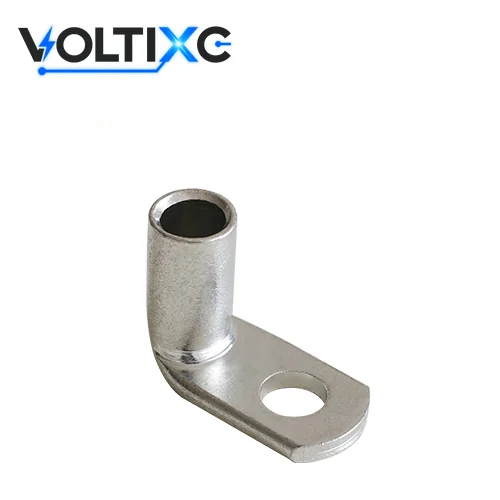
TLK runs from 12-10 AWG (TLK6) to 600/750 kcmil (TLK400) in 127 part numbers. Fifty of them have a 90° palm, marked -90D, from 12-10 AWG up to the 240 mm² size.
Common names: copper tube terminals; right-angle tube lugs for the -90D parts.
| Part No. | AWG / kcmil* (gauge wire size) | mm² | Palm angle | Stud hole Ø (mm) | Barrel ID d (mm) | Barrel OD D (mm) | Max. current (A) |
|---|---|---|---|---|---|---|---|
| TLK6-6 | 12-10 | 4.0-6.0 | Straight | 6.5 | 3.5 | 6.5 | 50 |
| TLK10-8 | 8 | 10 | Straight | 8.4 | 4.6 | 7 | 70 |
| TLK16-8-90D | 6 | 16 | 90° | 8.5 | 5.5 | 8.5 | 95 |
| TLK25-8 | 4 | 25 | Straight | 8.4 | 7 | 10 | 125 |
| TLK35-10 | 2 | 35 | Straight | 10.5 | 8.5 | 12 | 170 |
| TLK50-10-90D | 1/0 | 50 | 90° | 10.5 | 10 | 14 | 230 |
| TLK70-10 | 2/0 | 70 | Straight | 10.5 | 12 | 16.5 | 265 |
| TLK95-12-90D | 3/0 | 95 | 90° | 13 | 13.5 | 18 | 310 |
| Part No. | AWG / kcmil* (gauge wire size) | mm² | Palm angle | Stud hole Ø (mm) | Barrel ID d (mm) | Barrel OD D (mm) | Max. current (A) |
|---|---|---|---|---|---|---|---|
| TLK120-12 | 4/0 | 120 | Straight | 13 | 15 | 19.5 | 360 |
| TLK150-12-90D | 250/300 | 150 | 90° | 13 | 16.5 | 21 | 445 |
| TLK185-12 | 300/350 | 185 | Straight | 13 | 19 | 24 | 505 |
| TLK240-12 | 400/450 | 240 | Straight | 13 | 21 | 26 | 545 |
| TLK300-12 | 500 | 300 | Straight | 13 | 23.5 | 29.5 | 620 |
| TLK400-12 | 600/750 | 400 | Straight | 13 | 27 | 34 | 785 |
Source: VoltixC supplier specification sheet, TLK series; values as printed, not individually re-tested. The full TLK table has 127 part numbers; request the complete list with your quote. * Sizes 250 and above are kcmil (MCM), as printed on the sheet.
Spec note: Max. current is the maximum sustainable current value printed on the T and TLK sheets, not a rating from a test standard. TL, CL-H and LYF print no current value, and none of the five gives plating thickness, voltage or temperature. Those fields, and any size or stud hole not shown here, are confirmed per order.
Start with the conductor size, then choose the palm angle and the stud hole. The matrix below shows which series list a part in each size band and at each angle; the T and TLK tables above give part numbers, and the other three series are summarized after the checks.
| Size band (as listed) | Straight parts listed | 45° parts listed | 90° parts listed |
|---|---|---|---|
| 16 to 12-10 AWG | T (16, 14, 12, 12-10); TLK (12-10) | None listed | TLK (12-10) |
| 8 to 2 AWG | T, TL, LYF and TLK (8, 6, 4, 2); CL-H (6, 4, 2) | T and LYF (8, 6, 4, 2) | TLK (8, 6, 4, 2) |
| 1/0 to 4/0 AWG | T, TL, LYF and TLK (1/0, 2/0, 3/0, 4/0); CL-H (1/0, 2/0, 3/0) | T (1/0, 2/0, 3/0, 4/0); LYF (1/0, 2/0) | TLK (1/0, 2/0, 3/0, 4/0) |
| 250 to 500 kcmil | T, TL, LYF and TLK (250/300, 300/350, 400/450, 500); CL-H (250, 250/300, 300/350, 400/500) | T (250/300, 300/350, 400/450) | TLK (250/300, 300/350, 400/450) |
| 500/600 to 1000/1250 kcmil | T and LYF (600/750, 800/1000, 1000/1250); TL and TLK (600/750); CL-H (500/600, 600/750, 800/1000) | None listed | None listed |
Source: VoltixC supplier specification sheets (392 part numbers across the five series); a band shows a series only where a part is listed.
Three checks keep a size match from failing at the crimp:
Name the cable build as well as the size. According to Klauke, quad-point indent crimping is specified for conductors in DIN EN 60228 classes 2, 5 and 6, so give the class or strand count with each size; a size label alone does not prove the strands fill the barrel.
Treat the palm angle as routing. A 45° or 90° palm changes how the cable leaves the terminal in a tight enclosure, and on the T and TLK sheets an angled part prints the same maximum current as the straight part of the same size.
Match the stud hole to your bolt. Each size comes in several hole diameters (T35 runs from 6.4 to 16.5 mm), so take the bolt size from your drawing and pick the part number with that hole.
In CL-H, two pairs share one AWG label: CL80-H and CL100-H are both listed at 3/0 AWG (80 and 100 mm²), and CL200-H and CL250-H at 400/500 kcmil (200 and 250 mm²). Quote those by part number and mm² together.
Send My Size ListTL, CL-H and LYF are not tabled on this page, and their full sheets come with a quotation.
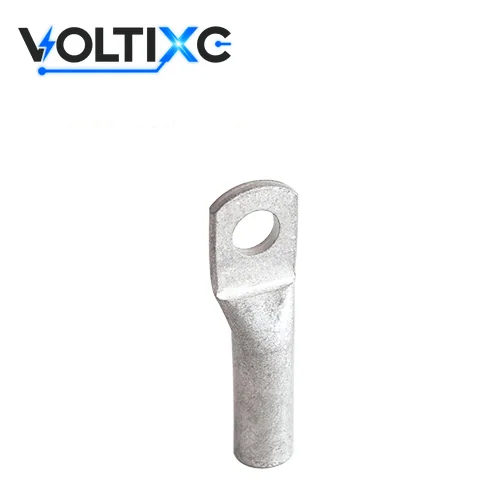
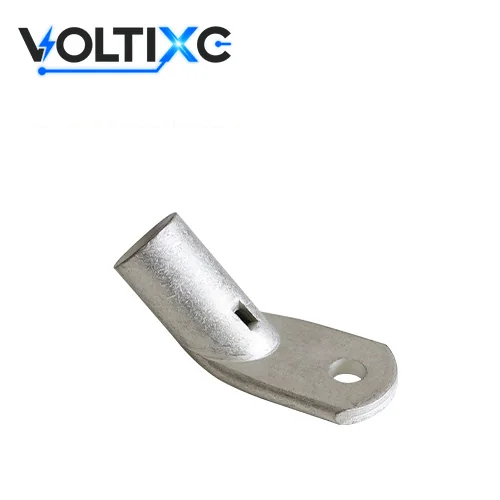
Tinned copper lugs from this page fit when a copper conductor ends on one bolted stud and the series tables list your size. Move to another page when the conductor metal, the bolt pattern or the job itself is different. All ten copper lug pages sit under the cable lugs hub, and the table below points to the page that matches each change.
| If the job needs | Go to | What changes compared with this page |
|---|---|---|
| A sight hole in the barrel to confirm the conductor is fully inserted | copper ring terminals | Tubular ring terminals with an inspection hole; according to Cembre, an inspection hole lets the installer verify conductor position. |
| Battery or inverter cable sized in AWG | battery cable lugs | A single AWG-named series in place of five tube lug series |
| Metric lugs to the DIN 46235 pattern | DIN 46235 cable lugs | Named by DIN item code (the number reads as mm²; cross-section confirmed per order); naming the standard is not a certification claim |
| Two bolt holes on one palm | two-hole copper lugs | The palm carries two holes for a two-stud connection |
| A slim palm for close-spaced terminals | narrow-palm and narrow-tongue lugs | Narrow palm and narrow tongue forms |
| An aluminum conductor, or one-hole compression lugs in copper and aluminum | compression lugs | Copper and aluminum series on one page; the crimp profile has to suit the conductor metal |
| Two holes plus a long compression barrel | two-hole compression lugs | Copper and aluminum two-hole compression series |
| Joining two cables end to end, with no palm | non insulated butt connectors | Butt and parallel splice sleeves instead of a terminal |
| A branch tap off a run cable | C-shaped compression connectors | A C-shaped compression connector that joins a tap to a main conductor |
| Small control wires with an insulated barrel | insulated crimp connectors | Vinyl or nylon insulated terminals for small wire; a different part family from bare tube lugs |
Source: Route notes follow the ranges listed on each VoltixC page; not a test result.
Check the conductor metal first, because it decides the crimp. According to Klauke, the suitable crimping profile depends on conductor material, cable-lug design and intended use, and the same maker lists hexagonal crimping as suitable for both copper and aluminium conductors. The lugs on this page have copper bodies and the supplier data names no aluminum conductor use, so an aluminum cable belongs on the compression lugs page.
Online listings often put tube lugs next to copper lugs ring terminals and small battery terminal connectors sold in kits. Those listings name the ring-shaped palm, which the parts on this page share, so choose by conductor size and stud hole from the tables rather than by the listing name.
Three signals tell you to switch before you send a list:
Tinned copper tube lugs fit jobs where a copper conductor is crimped and then bolted to a stud, bus bar or terminal face. The job types below are read from how the parts are built (copper barrel, bolted palm, the listed size bands and angles); none of them describes a VoltixC customer project.
Requirement: copper cable landing on a breaker stud or bus bar, in the 1/0 AWG to 500 kcmil range, where T, TL, LYF and TLK list every size and CL-H lists most of them.
Watch: each size comes in several stud holes, so give the bolt size for every termination point.
Requirement: copper wiring from 16 AWG (T1.5) to 8 AWG, where T and TLK list the smallest parts. According to Klauke, notch crimping is used in control-cabinet construction up to 1 kV, and the same source lists notch crimping as suitable only for copper.
Watch: agree the crimp profile with the maker of your tool before a bulk order.
Requirement: copper battery cable ends from 8 AWG to 4/0 AWG, where T, TL, LYF and TLK list parts in several stud holes; for heavy duty battery cable ends from one AWG-named series, see the battery lugs page.
Watch: the stud on the battery post or bus bar decides the hole, so name it on every line.
Requirement: a cable that has to leave the terminal at an angle. T lists 45° palms from 8 AWG to 400/450 kcmil, LYF from 8 AWG to 2/0 AWG, and TLK lists 90° palms from 12-10 AWG up to the 240 mm² size.
Watch: angled parts carry their own part numbers (-45D and -90D), so list them on separate lines.
Requirement: copper feeder cable from 250 kcmil up to 1000/1250 kcmil (T630, LYF630). According to Klauke, quad-point indent crimping is suitable for tubular cable lugs and connectors from 10 to 300 mm², so a larger cable needs a profile your tool maker lists for that size.
Watch: state the tool and die you plan to use.
The next four cases fall outside this page:
The lugs here have copper bodies, and the supplier data names no aluminum conductor use. Take aluminum cable to the copper and aluminum compression lugs page, where both metals are listed together.
A tube lug ends a conductor at a stud; it does not join two conductors. For an end-to-end joint, the butt splice connectors page lists splice sleeves.
Control wiring that needs a sleeved barrel calls for a different wire connector. The insulated terminals page lists small electrical wire connectors with vinyl or nylon insulation.
The T and TLK sheets print a maximum sustainable current for each part, from 18 A (T1.5) to 1065 A (T630), while TL, CL-H and LYF print none. No sheet gives a voltage or temperature rating, so ask before you specify these lugs where a rated part is required.
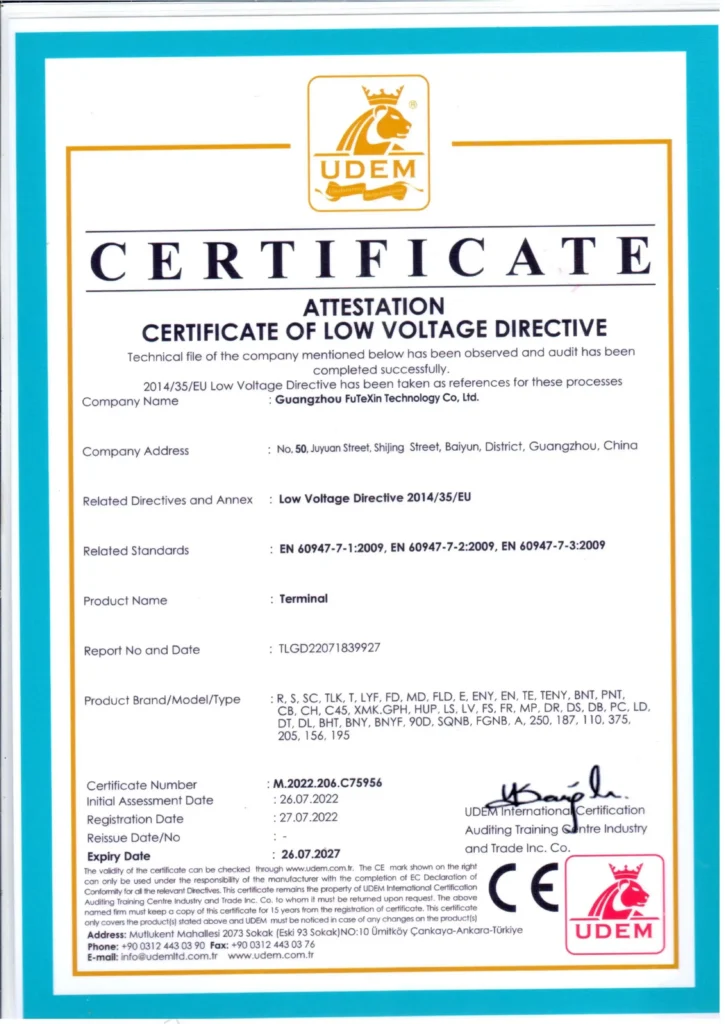
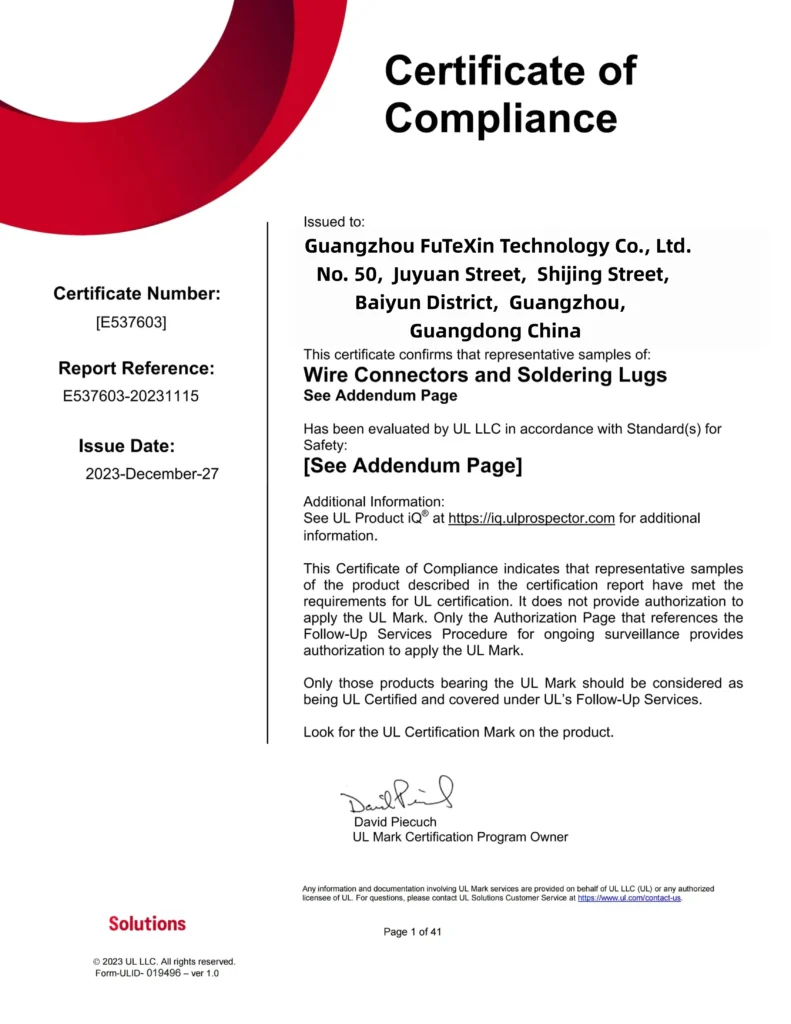
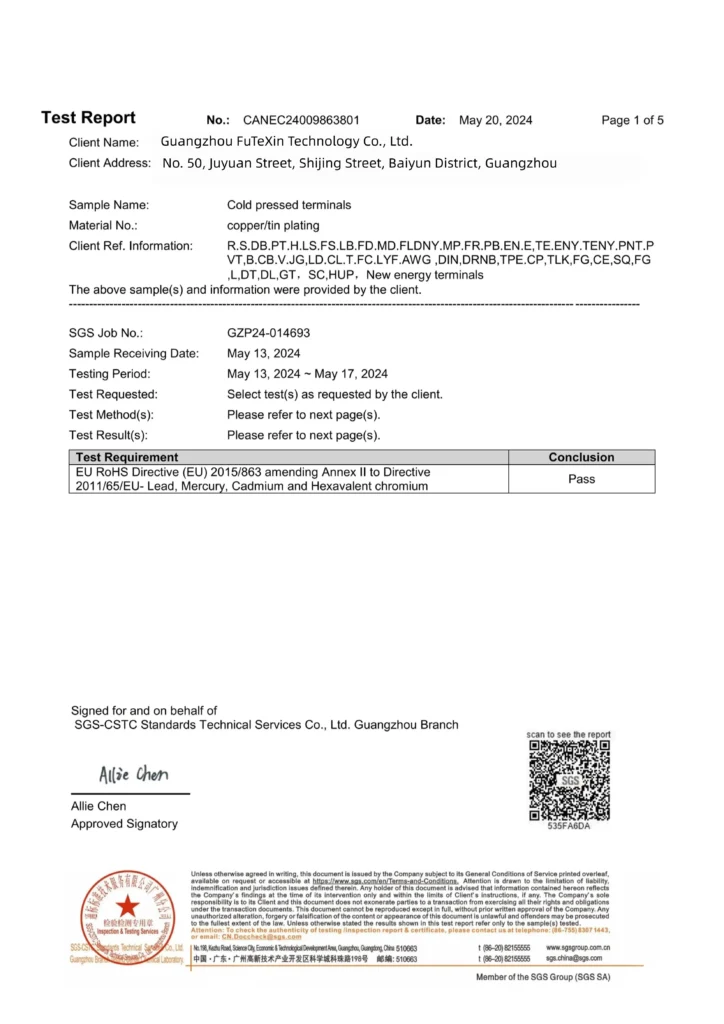
CE covers the full VoltixC terminal range, these tube lugs included: the attestation is issued under the Low Voltage Directive 2014/35/EU and names EN 60947-7-1, EN 60947-7-2 and EN 60947-7-3. VoltixC is UL certified. RoHS test report available (SGS): lead, mercury, cadmium and hexavalent chromium, tested on tin-plated copper terminals. Certificate numbers and dates are not printed here; ask for copies with your quotation. All three documents are issued to Guangzhou FuTeXin Technology Co., Ltd., the company behind the VoltixC brand.
EN 13600, named earlier on this page, describes copper tube as a material. According to BSI, it addresses material, mechanical and electrical properties, freedom from hydrogen embrittlement, dimensions and tolerances, and surface condition for seamless copper tubes. Naming EN 13600 here explains what tube stock is judged against; it is not a statement that VoltixC tube lugs are certified to it.
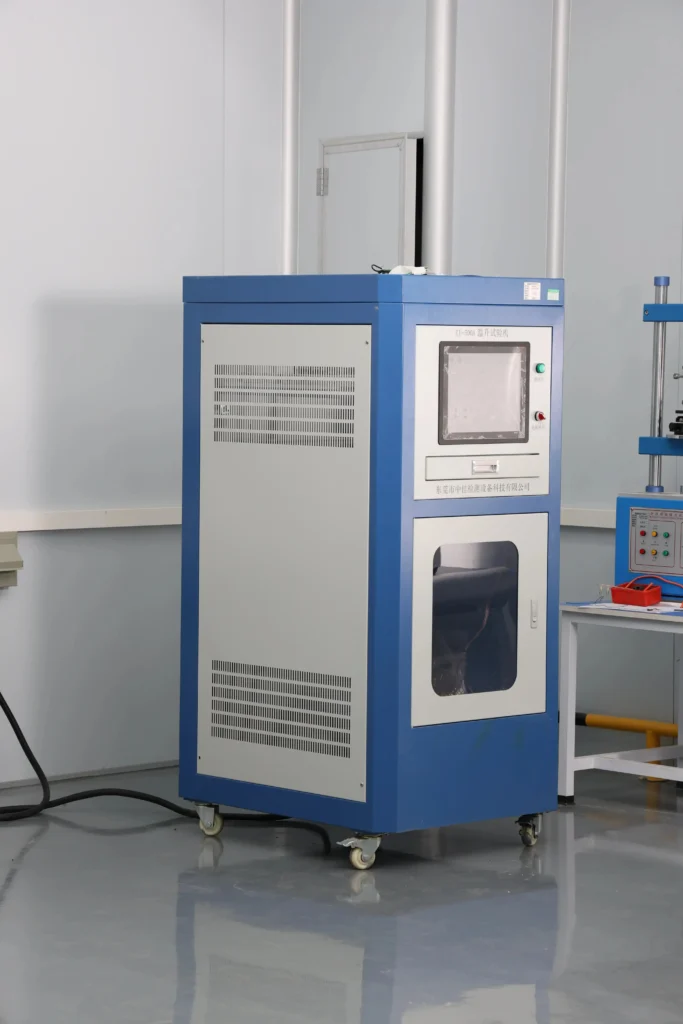
VoltixC is a cable lug and wire terminal manufacturer in Guangzhou, China, with a 1,200 m² factory, 25 staff and 135 production machines, supplying copper tube lugs, mechanical lugs and insulated terminals to buyers in North America and Europe. The photos below show equipment on site; they record the machines and say nothing about test values or check intervals.
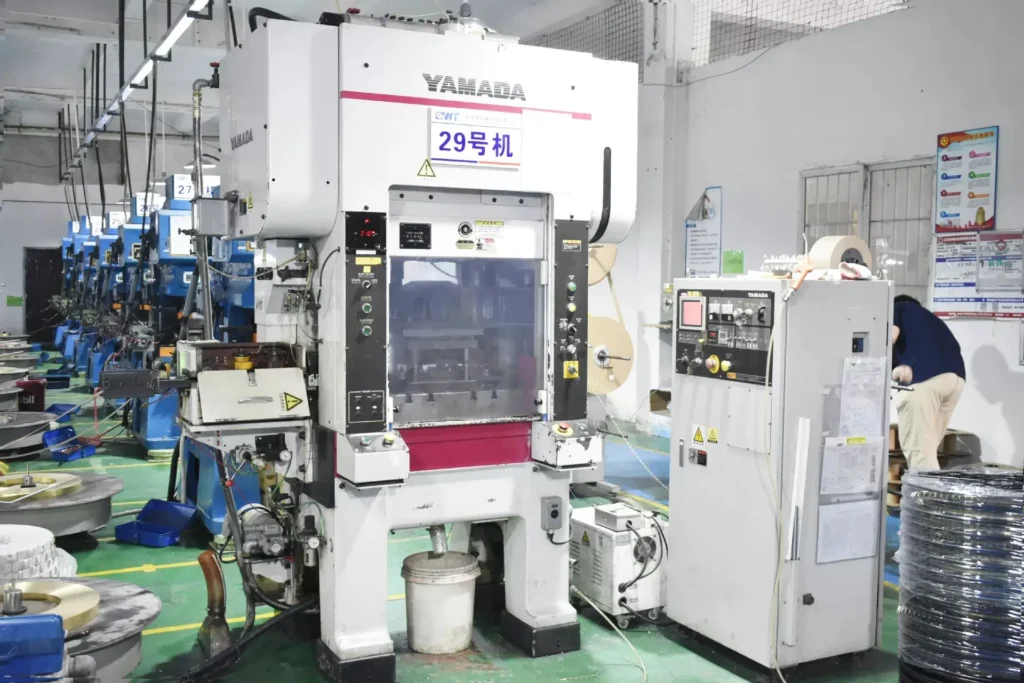
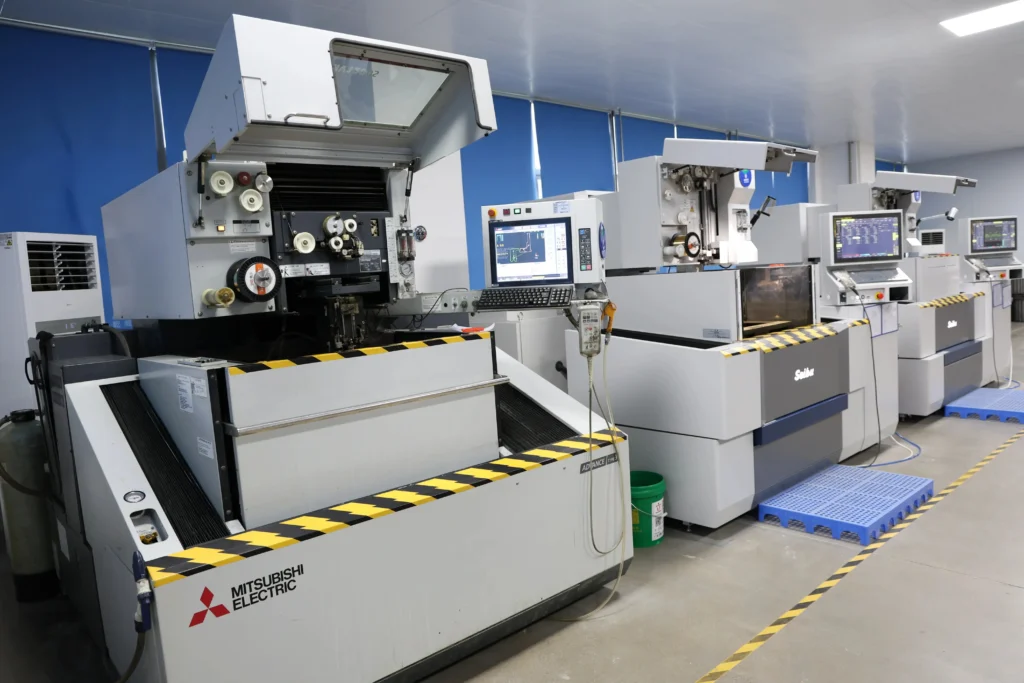
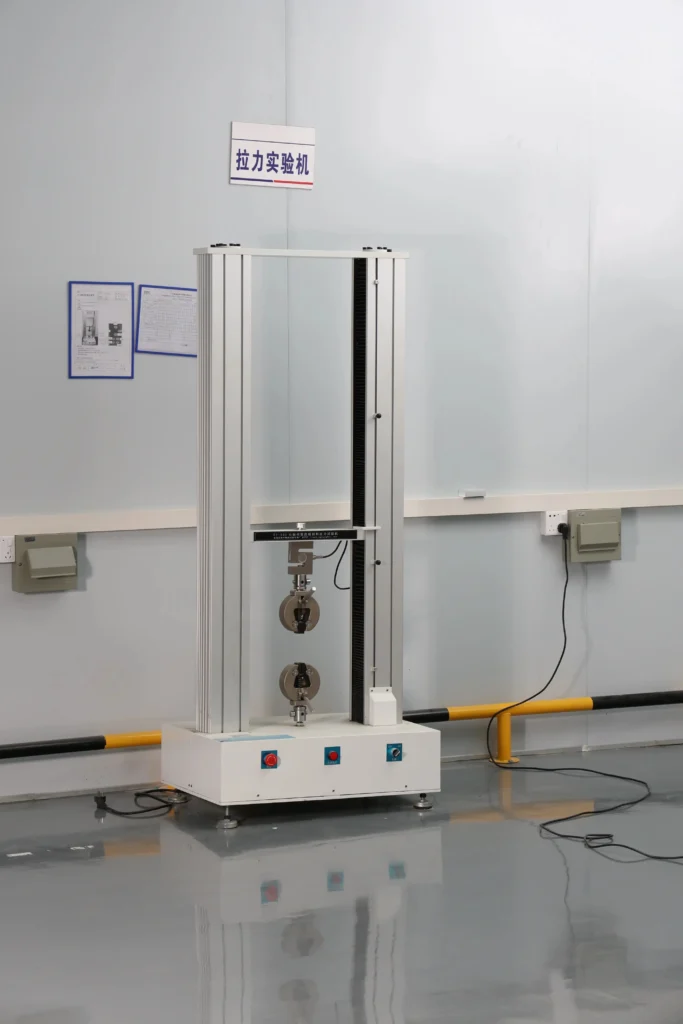
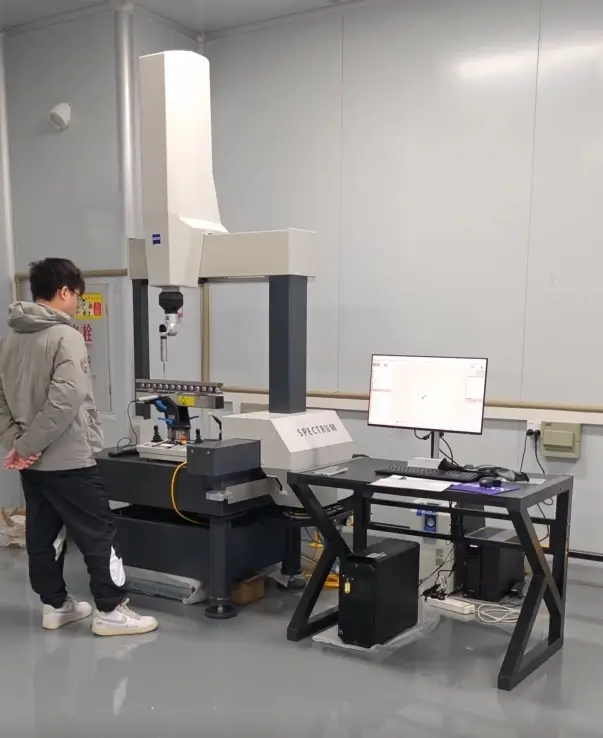
Four questions to put to any tube lug supplier, VoltixC included:
Your size list is the document the whole order refers back to: the quotation, the sample and the packed cartons are all checked against it. The steps below show where each detail gets fixed.
You send the list by the enquiry form or by email to hugo@voltixconnect.com: series or model, conductor size and class, stud size, palm angle and quantity per line. The form has no upload field, so drawings and cable photos go by email.
Each line is matched to a listed model or marked as a drawing item, and the quotation states the stud hole, plating and packing for every line.
Samples follow once you accept the quotation. The fastest sampling time is 7 days; a new palm or hole shape needs tooling, which is confirmed per order.
You crimp the samples on your own cable, tool and die, and approve them in writing before the bulk run.
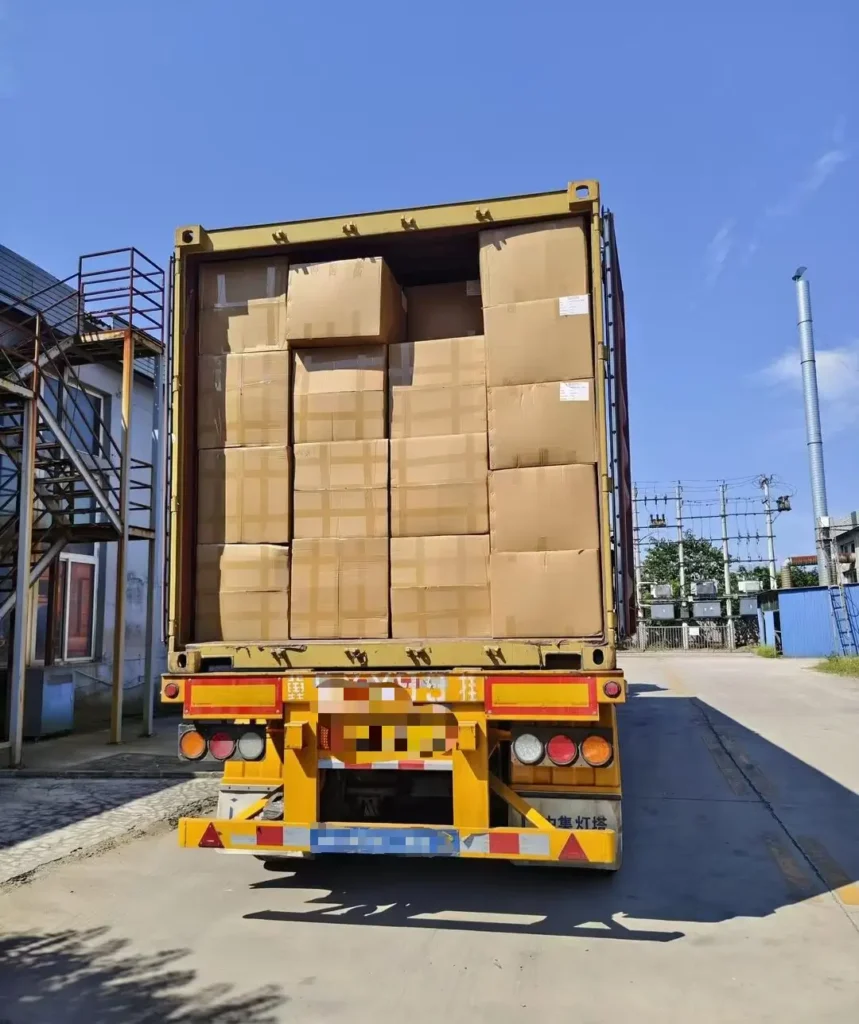
Bulk parts are packed to the carton and label rules on the quotation. Lead time and shipping terms are confirmed per order.
If a size is missing from the five series, the same steps apply with your drawing as the reference instead of a model number.
The copper in each part sets the base of a tinned copper lug price; plating, tooling, quantity per model and packing then move it up or down. The table lists each driver and the part of it you control.
| Driver | Effect on cost | What you control |
|---|---|---|
| Conductor size | A larger barrel and palm use more copper tube per part | Quote each size on its own line and drop sizes you do not need |
| Series and palm angle | 45° and 90° parts are separate models from the straight version | Use a straight part where the enclosure allows it |
| Plating | Plating thickness and finish are set per order | State any plating requirement from your specification |
| Stud hole and palm shape | A listed model uses existing tooling; a new hole or palm shape needs tooling | Choose a listed model where you can; tooling is confirmed per order |
| Quantity per model | Setup is shared across the parts in one run | Group demand into fewer models with larger quantities |
| Packing and labels | Bag counts, labels and carton marks add handling | Send your packing and label rules with the list |
| Documents | Material or inspection documents are prepared per order | Name the documents your project needs at the enquiry stage |
Source: VoltixC business terms; no price figures are published.
Lead time, MOQ and payment are confirmed per order by email or the enquiry form, and none of them is fixed on this page. Sampling: 7 days at the fastest, confirmed when the drawing is reviewed; the bulk schedule is written on the quotation.
A size list that prices cleanly has five things on every line:
Lines that name a listed model can be quoted from the tables above. Lines marked “drawing” need the drawing by email before a price can be set. Keep two sizes that differ only in palm angle on separate lines, because the straight and angled parts are separate models with their own item numbers. A list built this way also lets you check the quotation line by line against the model tables above.
Use the size chart when a conductor size needs converting or checking, and the two guides when the question is about barrel and palm measurements or about which lug style to use.
The cable lug size chart looks up lug sizes from a conductor size in AWG, kcmil or mm². Enter your conductor size, then copy the result into the size list for this page.
The cable lug dimensions guide explains the barrel, palm and hole measurements that a drawing shows, which helps when a model here lists no stud size.
The cable lug type guide sets out the main lug styles side by side, so you can confirm a tube lug is the right family before choosing a series.
The five series differ in size span, angle options and printed data. T runs from 16 AWG to 1000/1250 kcmil with 45° parts and a current value for each part; TL is an uninsulated range from 8 AWG to 600/750 kcmil with no angled parts; CL-H covers 6 AWG to 800/1000 kcmil in 23 part numbers. LYF runs from 8 AWG to 1000/1250 kcmil with 45° parts up to 2/0 AWG, and TLK runs from 12-10 AWG to 600/750 kcmil with 90° parts and a current value for each part.
Tin plated copper lugs carry a tin layer over the copper, which the supplier descriptions list as protection against oxidation and corrosion. According to Cembre, electrolytic tin plating on its A-M lugs also makes crimping easier and raises resistance to mechanical stress. Unplated copper lugs can be quoted on request, and the plating is confirmed per order.
Yes. T lists 20 part numbers with a 45° palm (-45D) from 8 AWG to 400/450 kcmil, LYF lists 19 from 8 AWG to 2/0 AWG, and TLK lists 50 with a 90° palm (-90D) from 12-10 AWG up to the 240 mm² size. No angled part is listed above that size.
Find the conductor size in AWG, kcmil or mm², add the cable class, then pick the part number whose stud hole fits your bolt. Across the five series the sheets list holes from 4.3 mm to 26 mm, with several holes per size. If your cable size needs converting first, the lug size chart does it before you pick a part.
For a 1/0 copper lug, the sheets list T50, TL50, CL60-H, LYF50 and TLK50 in several stud holes, plus 45° versions in T and LYF and 90° versions in TLK; the tables above show T50-10 and TLK50-10-90D. For 2/0 copper lugs they list T70, TL70, CL70-H, LYF70 and TLK70 with the same angled options, and the tables show T70-10-45D and TLK70-10.
The smallest is 16 AWG (T1.5, listed for 0.5 to 1.5 mm²) and the largest is 1000/1250 kcmil (630 mm²), listed as T630 and LYF630. Between them, the sheets step through AWG sizes up to 4/0 and kcmil sizes from 250 upward.
The values are taken as printed from the VoltixC supplier specification sheets and are not individually re-tested. Plating thickness and voltage or temperature ratings are not on the sheets, and the quotation states the values that apply to each line.
The part numbers follow AWG steps from 16 AWG to 4/0 and kcmil steps from 250 to 1000/1250, and each size also carries its mm² value on the sheet, from 0.5 to 630 mm². Some entries span two sizes, such as 250/300 or 600/750. For metric lugs to a DIN pattern, see the DIN 46235 copper lugs page.
Yes. Email the drawing to hugo@voltixconnect.com with the conductor size, stud size and quantity, because the enquiry form has no upload field. A new palm or hole shape needs tooling, which is confirmed per order, and no sample comes back sooner than 7 days.
Use the profile your tool maker lists for the lug size and conductor. According to Klauke, the suitable crimping profile depends on conductor material, cable-lug design and intended use, and hexagonal crimping suits both copper and aluminium conductors. Name the tool and die in your enquiry so the samples can be checked on them.
Send the series or model, conductor size and class, stud size, palm angle and quantity for each line; drawings go to hugo@voltixconnect.com by email. For other lug forms, go back to the full range of copper cable lugs.